varsha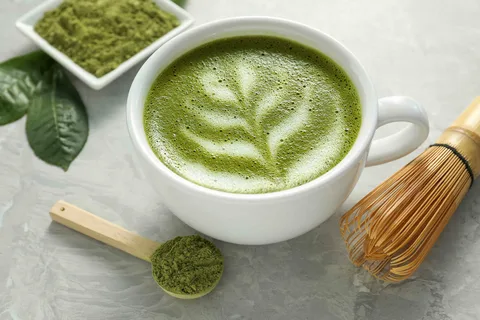
From café menus and skincare shelves to morning routines on social media, matcha has become impossible to ignore. What was once a traditional Japanese tea has now turned into a global wellness symbol, associated with calm energy, aesthetic rituals, and a “clean girl” lifestyle. Matcha lattes, matcha desserts, and even matcha supplements are being marketed as must-haves for anyone interested in health and wellness. But as with most trends, the question remains: is matcha actually good for you, or is it just another fashionable drink having its moment? Many people turn to a nutritionist in Mumbai to understand whether trendy habits like matcha fit into their daily routine in a meaningful way. Food trends should be viewed through the lens of practicality rather than popularity.
Matcha is not magic, but it is also not meaningless. Understanding why it became popular helps separate genuine benefits from social media exaggeration.
Why Matcha Became a Wellness Staple
Matcha’s rise is closely tied to modern wellness culture. Unlike coffee, which is often associated with stress, hustle, and crashes, matcha has been positioned as calm, balanced, and intentional. Its bright green colour, minimalist preparation, and Japanese roots align perfectly with today’s preference for mindful living.
Social media played a major role in its popularity. Aesthetic matcha bowls, slow-morning routines, and “matcha over coffee” conversations turned it into a lifestyle choice rather than just a beverage. Matcha became symbolic of choosing balance over burnout.
For many people, the appeal is as much emotional as it is physical.
Matcha vs Coffee – The Trend Debate
One of the biggest reasons matcha gained traction is its comparison to coffee. Coffee has long been the default energy drink, but it also carries a reputation for jitters, acidity, and energy crashes. Matcha entered the conversation as a gentler alternative.
People who felt anxious, overstimulated, or dependent on multiple cups of coffee began experimenting with matcha as a replacement. The ritual of preparing matcha also slowed down consumption, which appealed to those trying to be more mindful about caffeine intake.
However, matcha is not caffeine-free. The difference lies in how people experience it, not in the absence of stimulation.
The “Healthy” Label and Why It Can Be Misleading
Matcha is often marketed as a superfood, but the word “healthy” can be vague. Drinking matcha does not automatically improve your diet or lifestyle. Adding a matcha latte loaded with sugar and syrups does not suddenly make it a wellness habit.
The trend sometimes creates the illusion that swapping one drink will fix deeper issues like poor sleep, inconsistent meals, or high stress. Matcha can be part of a routine, but it cannot replace foundational habits.
Understanding this prevents unrealistic expectations and disappointment.
Why People Feel Better After Switching to Matcha
Many people report feeling more balanced after choosing matcha over coffee. This can be attributed to several non-scientific factors. Matcha is often consumed more slowly, usually after food, and in smaller quantities. This alone can change how caffeine feels in the body.
The act of making matcha is also calmer than grabbing a quick coffee. This ritual element can reduce the rushed feeling that often accompanies caffeine consumption. Sometimes the benefit comes not from the drink itself, but from how and when it is consumed.
This is why context matters more than the ingredient.
Matcha as a Lifestyle Choice, Not a Cure
The biggest mistake people make with matcha is treating it like a solution rather than a preference. Choosing matcha does not cancel out poor hydration, skipped meals, or lack of sleep. It works best when it fits naturally into an already balanced routine.
Some people genuinely enjoy the taste and ritual. Others drink it because it feels aligned with their wellness identity. Neither is wrong, as long as expectations remain realistic.
Trends work best when they are additions, not replacements.
Is Everyone Suited to Matcha?
Despite its popularity, matcha is not universally enjoyable or suitable. Some people dislike the taste. Others experience discomfort if they consume it on an empty stomach. The assumption that matcha is “lighter” than coffee can lead people to consume it without paying attention to timing or quantity.
Listening to personal response matters more than following trends. What feels good for one person may not work for another, regardless of how popular it is online.
This is where personalised guidance often becomes more valuable than viral advice.
The Café Culture Effect
Matcha’s popularity has also been driven by café culture. Speciality cafés position matcha as premium, artisanal, and intentional. This elevates it from a simple drink to an experience.
However, café-style matcha drinks often contain added sugars, flavoured syrups, and dairy-heavy bases. These versions can be very different from the minimal matcha preparation often associated with wellness content.
Understanding this difference helps people make informed choices without demonising the drink.
Matcha in Everyday Routines
For people who enjoy it, matcha can fit nicely into daily routines. It works well as a mid-morning drink, a pre-work ritual, or a calm alternative to late-afternoon coffee. The key is moderation and awareness.
Using matcha to enhance a routine works far better than using it to compensate for fatigue or burnout.
At Q Slim Fitness Studio, trends like matcha are often approached with curiosity rather than blind adoption. Enjoyment and consistency matter more than labels.
The Trend Cycle and What Comes Next
Matcha, like all wellness trends, will eventually share space with the next “it” ingredient. What stays relevant is not the ingredient itself, but the mindset behind its use.
People are increasingly looking for balance, simplicity, and rituals that support their day rather than overstimulate it. Matcha happened to fit that moment perfectly.
Understanding why trends resonate helps people choose what to keep and what to let go of.
A Grounded Perspective
Matcha is neither a miracle nor a gimmick. It is a beverage with cultural roots that found a new identity in modern wellness culture. If you enjoy it, feel good drinking it, and it fits into your routine without replacing essential habits, it can absolutely have a place in your day.
Health trends work best when they are chosen intentionally rather than followed blindly. Matcha does not need to be justified by science to be enjoyed, and it does not need to be exaggerated to be valuable.
Sometimes, the healthiest choice is simply the one that fits your life realistically.